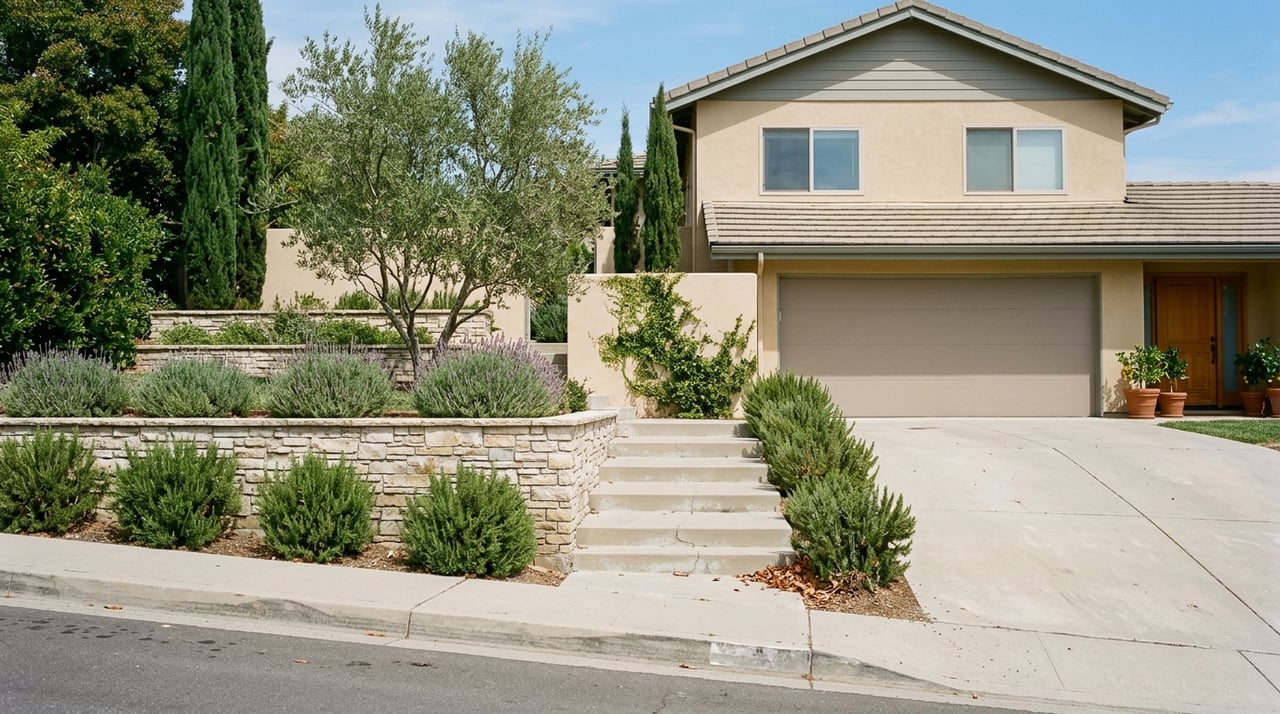
If you picture Vallejo’s hillside neighborhoods as all views and winding streets, you are only seeing part of the story. These areas also shape your daily routine, from how the weather feels on a given block to how you get outdoors, run errands, or head out for a commute. If you are thinking about buying or selling in Vallejo, understanding that everyday rhythm can help you choose the right fit. Let’s dive in.
What “hillside neighborhoods” means in Vallejo
In Vallejo, “the hills” usually refers to a cluster of neighborhoods rather than one official district. City districting materials and landscape maintenance records point to areas such as Hiddenbrooke/Northgate, Glen Cove, Cimarron Hills/Madigan Ranch, College Hills, Greenmont-Seaport Hills, Ridgecrest, Springtree/Fleming Hill, Summit II, Town & Country I, and Woodridge.
That matters because hillside living in Vallejo is not one-size-fits-all. Some areas are planned communities with their own development framework, while older hill-adjacent sections closer to downtown have a more established street pattern and a very different feel.
One example is St. Vincent’s Hill, which the city describes as a residential neighborhood on hills rising from sea level at Vallejo’s western edge. Its housing spans from the mid-19th century through the late 20th century, which gives it a layered and historic look compared with some of the newer hillside communities.
Views are part of daily life
One of the biggest lifestyle features in Vallejo’s hills is the role of scenic views. Vallejo’s General Plan says scenic views contribute to community character, and some residential neighborhoods on hills are covered by residential view district zoning intended to preserve those views.
That means views are not just an occasional bonus in certain hillside areas. They are part of how the city thinks about neighborhood character, and that can shape the feel of streetscapes, lot orientation, and the overall experience of living there.
For you as a buyer, that may mean paying closer attention to how a home sits on its lot and what kind of outlook it offers. For you as a seller, it highlights why setting, approach, and presentation can play a big role when marketing a property in these parts of Vallejo.
Climate feels different on the hills
Vallejo’s 2020 Urban Water Management Plan describes the city as having a Mediterranean climate typical of the northern San Francisco Bay Area. That includes cool, humid winters and warm, dry summers, with average annual rainfall of 21.2 inches and most rain falling between November and March.
County design guidance also notes that Vallejo is a waterfront city subject to occasional fog and marine climate. Taken together, those sources suggest that hill and bay-facing streets often feel more temperate and more marine-influenced than inland Solano communities.
In practical terms, that can shape how a neighborhood feels in the morning, afternoon, and evening. If you value a Bay Area climate pattern with some marine influence, Vallejo’s hillside areas may feel different from communities farther inland, even when the drive is not especially long.
Housing styles vary by area
A big part of everyday living is the kind of home and streetscape you come home to. Vallejo’s hillside neighborhoods offer a mix of older architectural character and more contemporary detached-home development, depending on where you look.
In older hill districts, the city’s official historic-district inventory includes Victorian, Italianate, Queen Anne, Craftsman, Prairie, Mission, Tudor Revival, and Art Deco homes. That range creates neighborhoods where architectural variety is part of the appeal and where blocks can feel visually distinct from one another.
In newer and planned areas, the city’s planning pipeline shows detached homes with attached garages, multiple elevations, and styles such as modern farmhouse, Spanish, Craftsman, and Farmhouse. Hiddenbrooke, for example, is part of an adopted specific plan, which reflects a more structured planned-development approach.
What that means for buyers
If you are shopping in Vallejo’s hills, it helps to decide early what kind of neighborhood texture fits your lifestyle. You may prefer:
- Historic architecture and an older urban pattern
- A planned-development setting with a more uniform layout
- Contemporary detached homes with newer design details
- A neighborhood where views and outdoor access shape daily life
Each of those experiences exists in Vallejo, but not always in the same pocket.
Outdoor routines are easy to picture
One reason many buyers are drawn to hillside areas is the connection to outdoor space. Vallejo’s parks resources highlight the Bay Area Ridge Trail, San Francisco Bay Trail, and Mare Island Shoreline Heritage Preserve as key recreation assets.
The Vallejo Bluff Trail fact sheet also shows a broader vision for connectivity. The bluff connection is intended to link Vallejo to the Bay Trail, Ridge Trail, California Delta Trail, Napa Valley Vine Trail, and the Carquinez Strait Scenic Loop Trail, a 50-mile bridge-to-bridge route connecting parks, open spaces, and historic and scenic districts.
That network helps explain why outdoor recreation feels like part of normal life here, not just a weekend event. Depending on the neighborhood, you may find that walks, trail access, and open-space drives become part of your regular routine.
For more neighborhood-scale options, city materials also point to Hiddenbrooke Park at the end of Alder Creek Road in Hiddenbrooke. Blue Rock Springs Golf Course is another notable local feature, spanning about 225 acres and including two 18-hole courses.
Everyday outdoor options
Here are a few of the outdoor features that come up often in official city materials:
- Bay Area Ridge Trail
- San Francisco Bay Trail
- Mare Island Shoreline Heritage Preserve
- Vallejo Bluff Trail connection
- Hiddenbrooke Park
- Blue Rock Springs Golf Course
If outdoor access matters to you, these are useful reference points when comparing one area of Vallejo to another.
Commuting from the hills
Daily convenience matters just as much as scenery. Vallejo is about 30 miles north of San Francisco, and Interstate 80 runs through the city from the Carquinez Bridge toll plaza northeastward.
Regional access is also being improved through work at the SR-37/Fairgrounds Drive interchange. For many buyers and sellers, that is an important part of the bigger picture because ease of movement affects both lifestyle and long-term market appeal.
Vallejo also offers a well-known water commute option. San Francisco Bay Ferry provides daily service between Vallejo and Downtown San Francisco, with select trips to Mare Island, and the published schedule says the Downtown San Francisco to Vallejo trip takes about 60 minutes.
The Vallejo Ferry Terminal is located at 289 Mare Island Way, and the city notes that the Vallejo Transit Center is two blocks away. SolTrans connects the wider area through the Transit Center and ties into other Bay Area transit options, including nearby BART links and the ferry terminal.
Practical commute choices
If you live in a hillside neighborhood, your day-to-day transportation options may include:
- Driving via I-80
- Regional access using SR-37
- Ferry service to Downtown San Francisco
- SolTrans connections through the Vallejo Transit Center
The best fit depends on where you work, how often you commute, and whether you want alternatives to driving every day.
Errands and daily convenience
A neighborhood can feel beautiful on a weekend and still miss the mark if daily tasks feel difficult. Vallejo’s city information describes the local shopping mix as including downtown, neighborhood, and large-shopping-center retail experiences, which supports a range of day-to-day errands.
Local institutional anchors also help shape the feel of certain parts of town. The city’s schools page includes Glen Cove Elementary and Cal Maritime among local educational anchors, which gives some readers familiar orientation points when thinking about the map.
City services are another part of everyday living that buyers sometimes overlook until they move in. Vallejo provides street sweeping, illegal-dumping reporting, maintenance requests, code enforcement, the Neighborhood Law Program, and the Adopt A Block volunteer program.
That kind of infrastructure matters because neighborhood upkeep is part of the lived experience. Whether you are buying your first home, relocating, or preparing to sell, it helps to understand not just the house but the systems that support the surrounding area.
How to compare Vallejo hillside areas
If you are trying to narrow down your options, start by focusing on the rhythm of daily life rather than the label alone. Vallejo’s hillside neighborhoods share some broad traits, but each area can offer a different balance of views, housing style, outdoor access, and commute convenience.
A simple way to compare neighborhoods is to look at a few core questions:
- Do you want a historic or more contemporary home style?
- How important are views to your decision?
- Do you want easier access to trails, parks, or golf?
- Will you drive most days, or does ferry and transit access matter?
- Do you prefer an older neighborhood pattern or a planned community feel?
Those questions can make your home search more focused and your selling strategy more precise. They also help you think beyond square footage and into how a neighborhood will actually support your routine.
Why local guidance helps
In a market like Vallejo, neighborhood feel can change quickly from one pocket to the next. A home in an older hill-adjacent district near downtown can offer a very different living experience from a home in a planned hillside community such as Hiddenbrooke or Glen Cove.
That is why local, relationship-first guidance matters. When you understand how views, climate, recreation, commute routes, and housing style come together, you can make a more confident move whether you are buying your first place, relocating, or preparing to sell.
If you want help comparing Vallejo neighborhoods or building a smart plan for your next move, connect with Candis A Tyrrell. You will get practical guidance, responsive support, and a real conversation about what fits your goals.
FAQs
What areas are usually considered Vallejo’s hillside neighborhoods?
- Vallejo’s hillside areas generally refer to a group of neighborhoods rather than one single district, including places such as Hiddenbrooke/Northgate, Glen Cove, Cimarron Hills/Madigan Ranch, College Hills, Greenmont-Seaport Hills, Ridgecrest, Springtree/Fleming Hill, Summit II, Town & Country I, and Woodridge.
What does the climate feel like in Vallejo’s hillside neighborhoods?
- Official city and county sources describe Vallejo as having a Mediterranean climate with cool, humid winters, warm, dry summers, and occasional fog or marine influence.
What kinds of homes are found in Vallejo’s hill areas?
- Depending on the neighborhood, you may find older architectural styles such as Victorian, Craftsman, Tudor Revival, and Art Deco, as well as newer detached homes with styles like modern farmhouse, Spanish, and Craftsman.
What outdoor spaces are near Vallejo hillside neighborhoods?
- Commonly cited outdoor amenities include the Bay Area Ridge Trail, San Francisco Bay Trail, Mare Island Shoreline Heritage Preserve, the Vallejo Bluff Trail connection, Hiddenbrooke Park, and Blue Rock Springs Golf Course.
How do people commute from Vallejo’s hillside neighborhoods?
- Common commute options include Interstate 80, SR-37, San Francisco Bay Ferry service to Downtown San Francisco, and SolTrans connections through the Vallejo Transit Center.
Why do views matter in Vallejo hillside neighborhoods?
- Vallejo’s General Plan says scenic views contribute to community character, and some hill neighborhoods have residential view district zoning intended to help preserve those views.