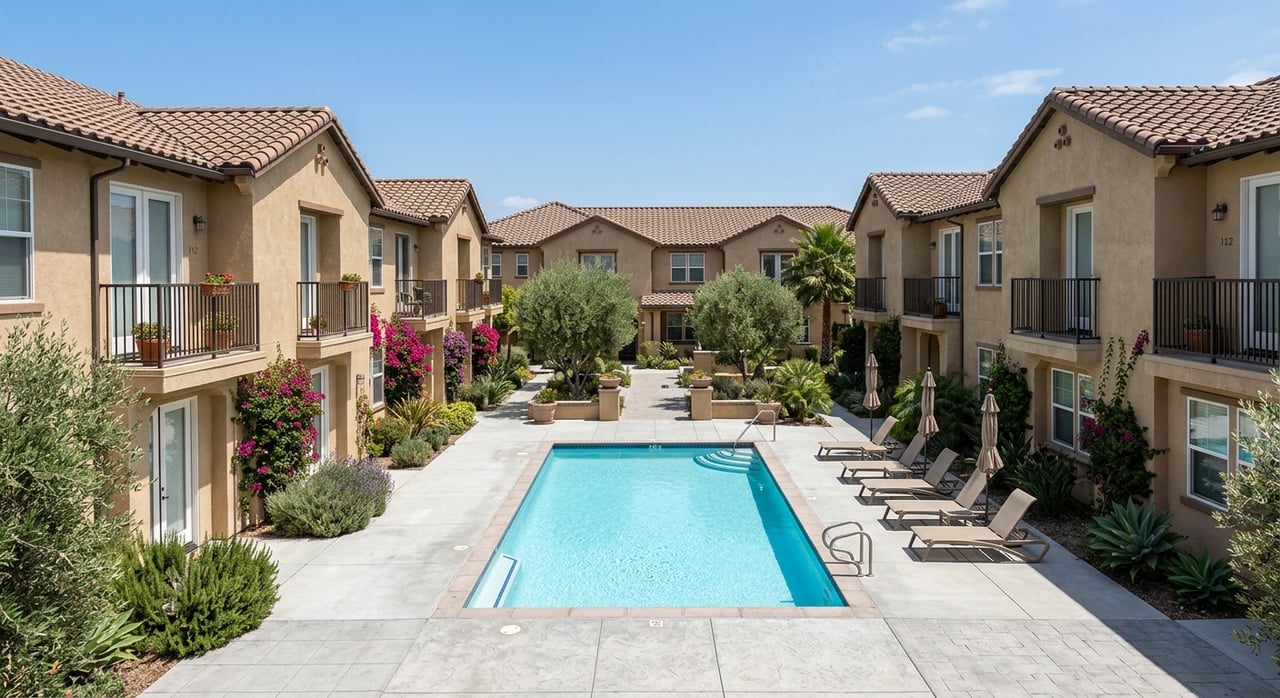
If you love Napa but do not love the idea of spending every weekend on yard work, exterior upkeep, and constant home projects, a condo or townhome may be worth a closer look. Many buyers want a home that feels easier to manage without giving up comfort, storage, or a convenient location. The good news is that Napa offers attached-home options that can lower maintenance and, in many cases, lower your purchase price compared with a detached house. Let’s dive in.
Why attached homes stand out in Napa
Napa is still mostly a detached-home market, which makes condos and townhomes a smaller but important part of the local housing mix. According to the City of Napa, 59% of housing units are single-family detached, while about 24% are multifamily and 7% are single-family attached.
That matters if you are shopping for low-maintenance living. You may find fewer condo and townhome options than detached houses, but the attached inventory that does exist can be a strong fit if you want less exterior responsibility and a more manageable footprint.
Napa price differences to know
One of the biggest reasons buyers consider condos and townhomes in Napa is price. Recent market data shows Napa’s median sale price at $884,550 for single-family homes, compared with about $666,742 for condo and co-op homes and $625,123 for townhouses.
That means condos are roughly 24.6% below the detached-home median, while townhomes are about 29.3% below it. For many buyers, that price gap can create a path into Napa homeownership with less maintenance at the same time.
Inventory is available, but limited
Attached housing is available in Napa, but it is not unlimited. Current market snapshots show about 44 condos for sale at a median listing price near $696,000 and about 22 townhouses at a median listing price near $770,000.
In a market where homes receive around three offers on average and sell in about 56 days, that smaller inventory means you may need to move with a clear plan. If you already know your budget, financing, and must-have features, you will be in a stronger position when the right home hits the market.
Condo vs townhome in Napa
Legal structure matters most
In California, a condo and a townhome are not always defined by how they look from the street. The California Department of Real Estate explains that subdivision type is a legal issue, not an architectural one, so a home that looks like a townhome could legally be a condominium or a planned development.
That is why you should not rely on curb appeal alone. The recorded documents tell you what you actually own, what is shared, and what the homeowners association is responsible for.
Ownership and maintenance can differ
In a planned development, you typically own a house on a separate lot and share rights to common areas through the HOA. In a condominium, you own your separate unit along with an undivided interest in the common area.
For you as a buyer, this often affects maintenance responsibilities and rules. It can shape who handles roofs, exteriors, landscaping, shared amenities, and certain repairs, so understanding the ownership structure is a key part of choosing the right fit.
What low-maintenance living can look like
If you picture every Napa condo or townhome as small and basic, the current inventory tells a different story. Recent listings include everything from a 567-square-foot one-bedroom condo to a 2,535-square-foot, 3-bedroom, 3-bath condo with a 2-car garage.
You can also find three-story townhomes with private balconies, attached garages, and more flexible layouts. Some communities include amenities like pools, clubhouses, gated entries, or resort-style features, while others offer a simpler setup with fewer shared extras.
Size and layout vary more than many buyers expect
Townhomes in Napa do not automatically mean compact living. Some current examples include single-story floor plans, larger multi-level homes, and garage setups ranging from one car plus a carport to full two-car garages.
That variety can help if you want less maintenance but still need space for guests, a home office, hobbies, or extra storage. It also means your search should focus on your actual lifestyle needs, not assumptions about the property type.
Who low-maintenance living fits best
For many buyers, attached housing works best when the goal is simpler ownership. You may be a strong fit if you want less exterior upkeep, a smaller yard burden, and a home that feels easier to lock and leave.
This can appeal to first-time buyers, downsizers, second-home buyers, and busy professionals. It can also make sense if you want to prioritize location or monthly predictability over yard size.
Trade-offs to think through
Low-maintenance living usually comes with trade-offs. If you want a large private yard, fewer shared walls, or total freedom to change the exterior, a condo or townhome may feel limiting.
HOA rules can affect exterior design, parking, rentals, pets, and the use of common spaces. Those rules are not a side note. They are part of the property and should be reviewed with the same care as the floor plan and price.
HOA dues are part of the real cost
A common mistake is treating HOA dues like a minor add-on. In reality, dues are a meaningful part of your monthly housing cost and can influence both affordability and long-term satisfaction.
Recent Napa listings show HOA dues in some communities in an approximate range of $429 to $715 per month. That range can vary widely depending on amenities, insurance, reserve strength, and what the association actually covers.
What dues may cover
Depending on the community, dues may support shared landscaping, exterior maintenance, insurance, common-area utilities, amenities, and reserve funding for future repairs. The key is that not all HOAs cover the same things.
You will want to look closely at the numbers and the scope of coverage. A lower monthly due is not automatically better if the reserves are weak or if major repairs could lead to future special assessments.
Documents you should review carefully
California law requires sellers in a common interest development to provide important documents before closing or contract execution. These can include the governing documents, the most recent annual budget report, a current statement of fees, unresolved violation notices, any rental prohibition statement, requested board minutes from the previous 12 months, and the most recent required condominium inspection report.
For you, this review period is where smart due diligence happens. It is your chance to understand not just the home itself, but also the financial and operational health of the community.
Key items to focus on
Pay close attention to these documents and questions:
- CC&Rs and bylaws
- Current budget and reserve study information
- Insurance summary
- Rental restrictions or leasing limits
- Recent board minutes
- Any notice of unresolved violations
- Whether special assessments are expected
- FHA or VA certification status, if that applies to your financing
The annual budget report should also include reserve information, reserve funding plans, insurance summaries, any loans, and whether the board expects special assessments. For condominium projects, it must also disclose FHA and VA certification status.
Insurance and reserves deserve extra attention
Many buyers assume the HOA’s insurance covers more than it actually does. The association’s policy may not cover your personal property or improvements inside the home, and you could still be responsible for part of a deductible.
Reserves matter just as much. The reserve summary should show estimated replacement costs, remaining life, useful life, current cash reserves, and reserve deficiency per unit, which helps you gauge whether the HOA seems prepared for future repair costs.
Parking is not something to guess on
Parking can vary widely from one Napa community to another. Current listings show everything from attached single-car garages to one-car garage and carport combinations to full two-car garages.
Because Napa has a Walk Score of 51, it is wise not to assume attached housing automatically means easy parking. You will want to verify whether parking is deeded, assigned, guest-friendly, or limited by community rules.
Age restrictions and rental rules matter
Some Napa attached-home communities have age restrictions. For example, current listings include a townhome in a 55+ gated community, so it is important to confirm whether a property matches your occupancy needs before you get too far into the process.
Rental flexibility also matters, especially if you are buying a second home or want the option to rent later. California law requires disclosure of rental or leasing prohibitions in the governing documents, which makes that part of your review especially important.
Smart questions to ask before you buy
When you tour a condo or townhome in Napa, bring a sharper list of questions than you might for a detached house. The right questions can help you avoid surprises and compare communities more clearly.
Ask about:
- What the HOA dues cover
- Whether reserves appear healthy
- Whether special assessments are likely
- What parking comes with the home
- Whether rentals are allowed later
- Whether the project fits your loan program
- What maintenance you are still responsible for as the owner
These questions go straight to the heart of how low-maintenance the property will really feel after closing.
How to decide if a Napa condo or townhome is right for you
The best choice comes down to what you want daily life to look like. If you would rather spend time enjoying Napa than managing exterior projects, and you are comfortable with shared rules and monthly dues, attached living may be a smart fit.
If you need more privacy, more outdoor space, or more freedom to make changes without HOA approval, a detached home may still serve you better. The goal is not just to buy what fits your budget, but to buy what fits your routine, plans, and comfort level.
A relationship-first agent can help you look past marketing language and focus on what really matters, from ownership structure to HOA health to financing fit. If you are comparing condos, townhomes, and detached homes in Napa, Candis A Tyrrell can help you sort through the details and move forward with confidence.
FAQs
What makes condo and townhome living low-maintenance in Napa?
- Low-maintenance living in Napa often means less exterior upkeep, less yard work, and shared responsibility for certain common areas through an HOA.
What is the price difference between condos, townhomes, and detached homes in Napa?
- Recent market data shows median sale prices of about $884,550 for single-family homes, $666,742 for condo and co-op homes, and $625,123 for townhouses in Napa.
What documents should buyers review for a Napa condo or townhome?
- Buyers should review the governing documents, budget report, reserve information, insurance summary, current fees, rental restrictions, recent board minutes, and any required condominium inspection report.
What should buyers know about HOA dues in Napa attached-home communities?
- HOA dues in some Napa communities have recently appeared in an approximate range of $429 to $715 per month, and buyers should confirm what those dues cover and whether special assessments may be likely.
What should buyers verify about parking in Napa condos and townhomes?
- Buyers should confirm whether parking is deeded or assigned, how many spaces come with the home, whether there is garage or carport parking, and what guest parking rules apply.
Are some Napa townhome communities age-restricted?
- Yes, some attached-home communities in Napa may be age-restricted, including 55+ communities, so you should verify occupancy requirements early in your search.
Can buyers rent out a Napa condo or townhome later?
- Rental rules vary by community, and California law requires disclosure of rental or leasing prohibitions in the governing documents, so buyers should review those rules before purchasing.