Eyeing more space and a friendlier mortgage but worried about the commute? If Antioch is on your list, you are not alone. Many Bay Area buyers trade a longer ride for a bigger home and yard in this Contra Costa city. In this guide, you’ll get clear answers on commute times, how eBART works, parking realities, bus links, driving options, and practical tips to test your route before you buy. Let’s dive in.
Why Antioch appeals to commuters
Antioch often attracts buyers who want more home for the money compared with core East Bay or San Francisco. It is a value play, especially for first-time buyers and growing households who prioritize space. The trade-off is time on the road or rail.
Local data reflects that balance. The mean one-way travel time to work for Antioch residents is about 42 minutes, which is above regional and state averages, according to U.S. Census QuickFacts. That average mixes people who drive longer distances, rail riders who transfer to reach Oakland or San Francisco, and residents who work locally.
If you work in downtown San Francisco or downtown Oakland, the BART-to-Antioch extension makes those trips realistic without driving the whole way. If your job is in Concord or Walnut Creek, the combination of Highway 4, BART, and nearby employment centers may also keep commutes manageable.
Your rail options: eBART and beyond
Where you board and park
Antioch is served by the BART to Antioch extension, widely called eBART. The Antioch terminal station sits in the State Route 4 median near Hillcrest and Slatten Ranch. The extension opened in 2018 and provides a rail alternative to driving west toward Oakland or San Francisco. You can review project and station details on BART’s eBART page.
Parking matters here. Antioch station has large park-and-ride lots, and capacity was expanded after opening due to high demand. Spaces can still fill during peak times. BART uses permit and daily-fee sections, and the agency manages reservations and payments in its app and parking systems. Before you rely on parking daily, check current rules and permit availability on BART resources linked from the eBART page.
How the train transfer works
Riders from Antioch board the eBART train, then transfer near Pittsburg Bay Point to continue on mainline BART. This is a normal part of the trip pattern. The setup allows you to reach Oakland and San Francisco without driving across the Bay. You can see how service operates on the published weekday BART timetable for the Antioch to SFO line.
Typical rail travel times
Published schedules show Antioch station to Embarcadero in downtown San Francisco in roughly 55 to 65 minutes on the train, depending on departure time. Antioch to 12th St. Oakland City Center typically lands in the mid-50-minute range. Your door-to-door will usually be longer once you add a drive or bus to the station, parking, and transfer time. For exact trip durations by time of day, check BART’s timetable or trip planner, starting with the current schedule.
First and last mile with Tri Delta
If you prefer not to drive to the station, Tri Delta Transit runs local and express bus routes that feed Antioch BART and serve neighborhoods across Antioch and Pittsburg. Route maps and schedules are on Tri Delta’s local and express routes page. This is useful if you want to avoid parking or if your home is beyond an easy walk.
Connection times can change. Tri Delta has adjusted bus schedules to align with train times, including a shift noted for March 24, 2025. Review the agency’s train time shift notice and confirm schedules before you rely on a timed connection.
Other regional buses may appear among the station’s listed connections in some references. You can see an overview of station connections on the Antioch Station page reference, then verify active operators and times with the agencies.
Driving routes, HOV lanes, and tolls
Highway 4 is the main east–west corridor for Antioch commuters. The SR 4 widening work improved traffic flow and shares the corridor with eBART infrastructure. There are segments with HOV or auxiliary lanes and ongoing corridor improvements. For project history and details, see the State Route 4 overview.
If you drive south or southwest, express lanes on I-680 and other managed corridors may be part of your route. These lanes use FasTrak, have time-of-day pricing, and different carpool rules by corridor. Review the I-680 information, then check live signage and your FasTrak account to ensure compliance.
When you plan to drive into San Francisco or Oakland, add bridge tolls, gas, and destination parking to your monthly budget. Downtown parking can be a meaningful expense, which is why many Antioch commuters combine park-and-ride with rail for the core of the trip.
Time and cost trade-offs to expect
Every Antioch commute is a balance of time, money, and lifestyle. Here is how to frame it:
- Housing value: Market reports in early 2026 place Antioch’s median home sale values in the low to mid $500,000s. That price advantage is a key reason buyers choose Antioch, especially when compared with core East Bay or San Francisco. Your personal tolerance for commute time is the other side of the equation.
- Transit fares: BART uses distance-based pricing. Long trips from Antioch to downtown San Francisco carry some of the higher one-way fares in the system, and BART implemented inflation-based fare increases into 2026. Use BART’s fare calculator to estimate your one-way and monthly costs.
- Station parking: Antioch BART has both permit and daily-fee parking. Capacity has improved since opening, though peak-time demand remains strong. Check the BART app or parking resources linked from BART’s eBART page for current permit availability, rules, and fees.
- Driving costs: If you drive part or all of the way, include bridge tolls, FasTrak charges for express lanes, fuel, and destination parking in your monthly budget. Carpooling or vanpooling can change both time and cost, depending on your route.
Neighborhood logistics for commuters
If fast station access is a priority, homes near Hillcrest Avenue and Slatten Ranch Road place you closest to Antioch BART. Parts of central and west Antioch can also offer short drives or bike access. Many neighborhoods have bus stops that connect to the station, so it is smart to confirm which Tri Delta routes serve any address you are considering using the route listings.
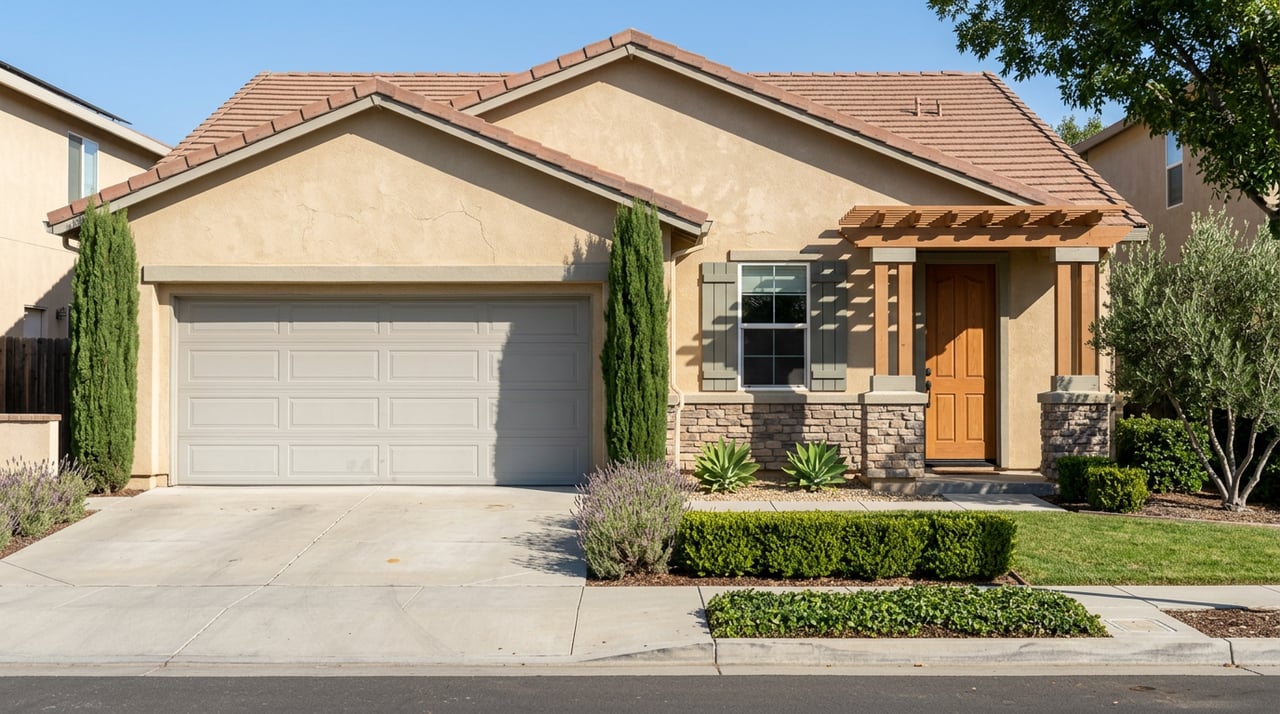
Home options in Antioch often include single-family houses with yards and newer subdivisions compared with older core East Bay neighborhoods. If you want yard space, a home office, or an extra bedroom, Antioch can make that wish list attainable while keeping total costs in check.
Plan a real-world test commute
Before you write an offer, do a door-to-door test at your actual commute time. This gives you a reliable picture of your day-to-day.
- Map how you will get to Antioch BART. Test the drive and the bus option if it is practical from your target neighborhood.
- Practice parking. Try a weekday around your expected arrival to see how quickly lots fill and how payment works in the app.
- Ride the train and make the transfer near Pittsburg Bay Point. Note wait times and how crowded your train feels.
- Time it both ways. Morning and evening can feel different, and missed transfers add minutes.
- Check schedules in advance. Start with BART’s current weekday schedule and Tri Delta’s routes page. If a bus-train connection is critical, recheck it the week you plan to rely on it.
Document the total door-to-door time. If the commute feels long, consider homes closer to the station, a different departure window, or a hybrid work schedule to free up the busiest days.
Is Antioch right for your routine?
A short worksheet can clarify your decision:
- What is your target one-way commute time range, and what is your red line?
- What monthly budget can you allocate to fares, parking, tolls, and gas?
- How often can you work remotely if needed to avoid peak days?
- What housing features matter most to you, like a yard, a home office, or extra bedrooms?
- Which neighborhoods give you the access you want to BART or Highway 4?
If the value, space, and lifestyle win out with a commute that still fits your routine, Antioch can be a strong choice.
Work with a local guide
You do not have to figure this out alone. With relationship-first service, clear education, and on-the-ground support, you can match your commute needs to the right neighborhood and home. Whether you are buying your first place, moving up for more space, relocating for work, or exploring credit-repair pathways, you will get step-by-step guidance and post-close support.
If you are considering Antioch or nearby commuter markets, reach out for a personal consult. We will map your likely commute, shortlist homes with the access you need, and help you budget monthly costs with confidence. Connect with Candis A Tyrrell to get started.
FAQs
Is there BART service in Antioch?
- Yes. The BART to Antioch extension terminates in Antioch, and riders transfer near Pittsburg Bay Point to continue on mainline BART toward Oakland and San Francisco, as outlined on BART’s eBART page.
How long is the train ride to downtown San Francisco from Antioch?
- Published weekday schedules show roughly 55 to 65 minutes from Antioch station to Embarcadero, with longer door-to-door times once you add station access and the transfer; see the current timetable for specific departures.
What is the average commute time for Antioch residents overall?
- The mean one-way travel time is about 42 minutes per U.S. Census QuickFacts, which reflects a mix of long drivers, rail users, and local workers.
Will I always find parking at Antioch BART?
- Not guaranteed at peak times. BART added capacity after the station opened, and parking includes permit and daily-fee sections; confirm permit availability and rules through BART resources linked from the eBART page.
How do BART fares work from Antioch?
- Fares are distance based, and longer trips like Antioch to downtown San Francisco are among the higher one-way fares; use BART’s fare calculator to estimate up-to-date one-way and monthly costs.
Which buses connect Antioch neighborhoods to the station?
- Tri Delta Transit operates local and express routes that feed Antioch BART; check route maps and schedules on the routes page, and note that connection times are occasionally adjusted, as in the March 24, 2025 notice.
What should drivers know about express lanes on common routes?
- I-680 and other corridors use managed express lanes with FasTrak, time-of-day pricing, and carpool rules that vary by segment; review the I-680 overview and always follow posted signage along your route.